

Stay Current!
Amped Insights
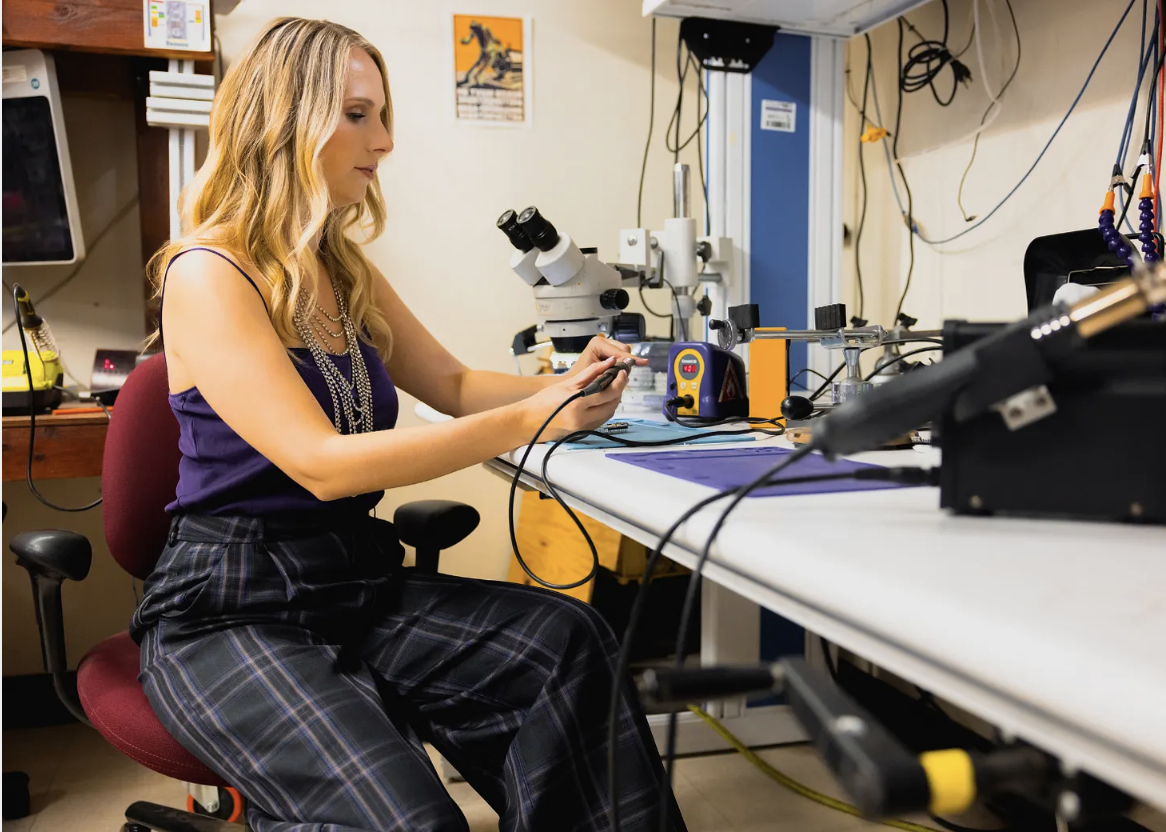
The Role the Battery Industry Keeps Forgetting to Hire
Ninety percent of battery professionals learned their job on the job.
That is from the Volta Foundation's Battery Talent Census, and it is the number I keep returning to. Only 34 percent of respondents said they felt confident in their skills. And most of them lean toward R&D — even though the industry's demand is highest, by a wide margin, in manufacturing.
An industry that trained itself on the job, is not confident in the result, and is pointed at the wrong end of the value chain. That is the workforce we are trying to scale gigafactories with.
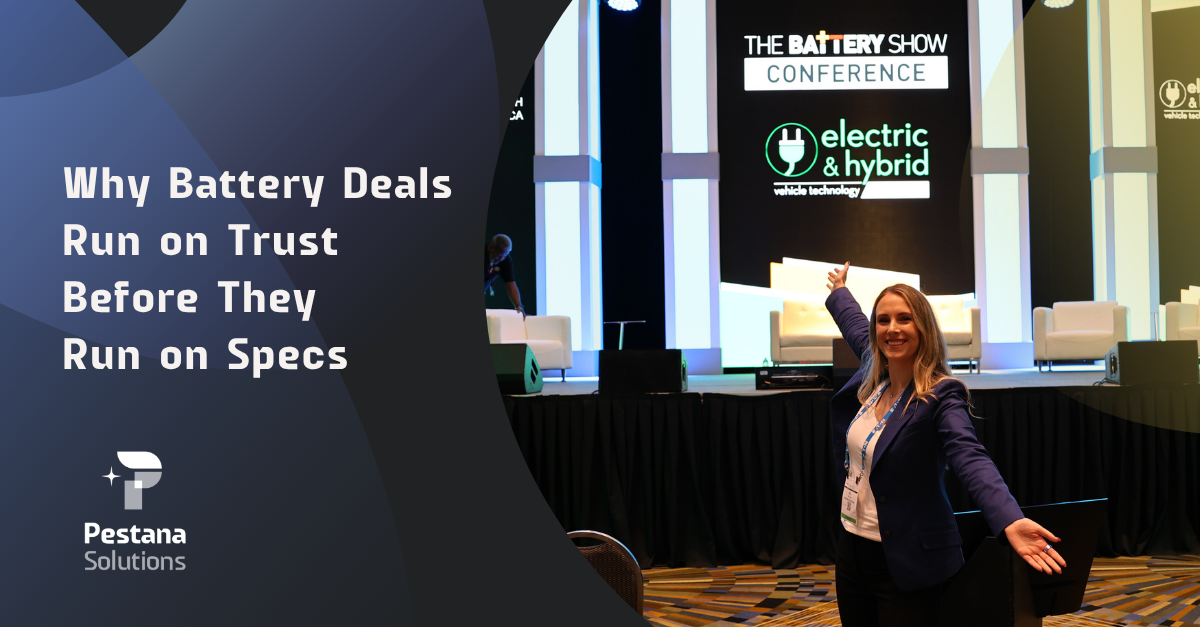
Why Battery Deals Run on Trust Before They Run on Specs
At The Battery Show North America 2025, companies, universities, and nonprofits were finding their own ways to work together without waiting for a policy framework to tell them how. What that told me is that investment in this industry can no longer be just about capital. It has to be about trust. The people writing checks and signing supply agreements have been burned, and they are now buying from people, not from data sheets. The credibility that opens doors here comes from the same principles that build a strong personal reputation: steady, consistent work, communicating honestly, and doing what you said you would do. That is not a soft observation. It is a description of how the qualification cycle actually gets shortened.

The Metrics Investors Reward Aren't the Ones That Predict Commercial Success
In 2021 I watched battery startups with a compelling pitch raise a Series A in weeks. In 2023 I watched some of the same companies — with more validation, more customers, and more data than they had two years earlier — get meetings canceled. Nothing about the technology had gotten worse. What had changed was the capital, which had been burned by the hype cycle and overcorrected. The companies that deserved funding paid for the ones that had not. That reversal taught me something I now consider the central commercial problem for a technical founder, and it is not what most founders think it is.

How to Make a Battery Performance Claim Your Buyer Will Believe
When one company makes a claim it cannot back, the category pays. Buyers become more skeptical of everyone. Diligence gets longer for everyone. The companies with real data end up spending their credibility defending the field instead of advancing their own position.
Read more to learn how to make a battery performance claim your buyer will believe.

Why Your Battery Company Is Invisible to the People Who Need to Find It
Last year I ran a small poll on LinkedIn asking early-career battery professionals what would help them most. Thirty-five people answered. Skills training came first, at 37 percent. Career pathways, 31. Mentorship, 26. And visibility — being recognized for the work you are already doing — came last, at 6 percent. I understood the ranking. It is also backwards. Visibility is usually the catalyst for the other three. The mentor finds you because they saw your work. The pathway opens because someone knew your name when a role came up. People were working hard behind the scenes while opportunities passed them by, and they had ranked the thing that would fix it last. I wrote that piece about careers. I have since come to think it is more true of companies.

Why the Battery Industry Can't Hire Its Way Out of the Commercial Talent Gap
The Volta Foundation's Battery Talent Census asked more than a thousand battery professionals which roles they find hardest to fill. Sales, marketing and business development came back second — behind only C-suite leadership.
I have been sitting with that result for a while, partly because I co-chair NAATBatt's Workforce Community, and partly because I am hiring right now myself.
The obvious reading is that the industry needs to hire more salespeople. I think that reading is wrong, and the reason it is wrong is the part worth talking about.

5 Key Insights from the NAATBatt 2025 Annual Conference
The NAATBatt 2025 Annual Conference highlighted key trends shaping the battery industry, from funding uncertainty and pilot-scale production gaps to the rise of cobalt-free chemistries and the growing role of AI. Discussions reinforced the urgency of securing domestic resources, strengthening workforce development, and fostering public-private partnerships to drive innovation and industry growth. Read the full blog to explore these insights and what they mean for the future of battery technology and U.S. energy leadership.

Introducing the US Battery Value Chain Goals and New Visual Framework
Get your Free Download of the US Battery Value Chain Goals Guidelines and Graphics! Plus, check out our video on the Li-Bridge Report where we break down the goals and recommendations to create a US battery value chain.

Welcome to PestanaSolutions.com
We are excited to share the home of Pestana Solutions online!

Want to keep in touch and stay engaged?

Access exclusive behind-the-scenes insights and game-changing opportunities in the battery industry and beyond with the Pestana Solutions Newsletter!
Included in each weekly email, you’ll find:
Job and collaboration opportunities,
Industry resources and announcements,
Training and educational gems,
Invites to industry events
Pestana Solutions company updates.
& more!
Sign up now to stay connected!